ARE COOKIES GOOD OR BAD FOR YOU?
Hold up, hold up... let's be on the same page, I am referring to the cookies on browsers and websites. Are they good or bad for you?
We are often concerned about privacy and security issues when we use the internet while providing personal information and posting things online, but do you realise that sometimes we are also willingly allowing these websites to have access to our every movement on their website because of the cookies? Yes, sounds like cookies are dangerous, but are they?
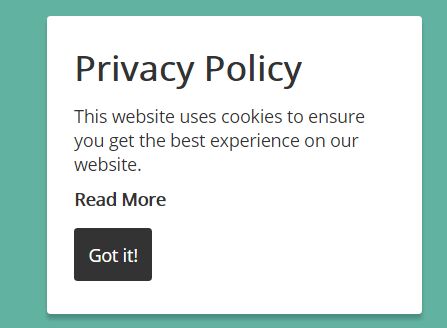
Cookies are basically data stored in your web browser during your visit on the same device and the site is then able to determine what you have browsed during your previous session to tailor what is shown on the screen to you. If you noticed, sometimes when you click on the 'Search' box, you see that your previous searches appear first and personal information like your Name, Address, Mobile Number and so on gets auto-filled in certain websites. This is because there are cookies stored in those websites that you have visited on your web browser.
Are they harmful? No they are not. However, they can pose a risk to your privacy and your information can get tracked down with the stored data. Apart from these, it could be useful and advantageous for convenience's sake. It saves you time with the auto-fill functions, show you things that are relevant to you, saves the items that you added into your carts previously, save your preferred settings and so on.
Marketers are able to better understand consumers through cookies with the users' browsing habits, search history, saved personal information and so on, but because cookies only work on the same device, it makes this unreliable for them to work with. Apart from cookies, what marketers can do is to encourage users to create accounts or to login, ask for the name or email address of the user, offer a free trial or promise discounts to turn user into a full lead. There are so many other ways to use a consumer's browsing habits or preferences to create effective marketing, but remember to be ethical and allow consumers to have an option to opt in or out of marketing efforts as you could possibly push some away if they turn out annoyed with your notifications or constant emails.
Remember, to always be ethical about using user information, to notify users beforehand what you are going to use their information for and to get their consent first.
As an internet user myself, I always allow cookies when the pop-up appears because it is a habit to always allow whatever pops up in case I get forced to exit the web page. I find cookies very convenient for me when using websites that I frequently visit because the page shows me things that I like and have an interest for which exposes me to new things of my interest or relevance without me having to search for it. Also, saving my information during checkouts have saved me a lot of time and hassle of having to key in repetitive information again and again. However, I do get concerned about saving information like my credit card details for future purchases, I used to always agree to save it for future use but nowadays, I do not agree to such pop ups anymore. There are too many hacking of information on the internet and I would rather not risk it.
The web pages also have the responsibility to keep their customers' information safe by ensuring high security protection, to not misuse information for their own gains or sell user information out to other parties as this is breaking the trust of the users and it is unethical. As a consumer, you have be smart about the choices you make online to protect yourself as well.
References:
https://www.searchenginejournal.com/cookies-tracking-what-digital-marketers-need-to-know/287381/#close
We are often concerned about privacy and security issues when we use the internet while providing personal information and posting things online, but do you realise that sometimes we are also willingly allowing these websites to have access to our every movement on their website because of the cookies? Yes, sounds like cookies are dangerous, but are they?
Source: https://www.jqueryscript.net/images/Simple-EU-Cookie-Law-Notice-Popup-Plugin-With-jQuery-Qookies.jpg
Cookies are basically data stored in your web browser during your visit on the same device and the site is then able to determine what you have browsed during your previous session to tailor what is shown on the screen to you. If you noticed, sometimes when you click on the 'Search' box, you see that your previous searches appear first and personal information like your Name, Address, Mobile Number and so on gets auto-filled in certain websites. This is because there are cookies stored in those websites that you have visited on your web browser.
Are they harmful? No they are not. However, they can pose a risk to your privacy and your information can get tracked down with the stored data. Apart from these, it could be useful and advantageous for convenience's sake. It saves you time with the auto-fill functions, show you things that are relevant to you, saves the items that you added into your carts previously, save your preferred settings and so on.
Marketers are able to better understand consumers through cookies with the users' browsing habits, search history, saved personal information and so on, but because cookies only work on the same device, it makes this unreliable for them to work with. Apart from cookies, what marketers can do is to encourage users to create accounts or to login, ask for the name or email address of the user, offer a free trial or promise discounts to turn user into a full lead. There are so many other ways to use a consumer's browsing habits or preferences to create effective marketing, but remember to be ethical and allow consumers to have an option to opt in or out of marketing efforts as you could possibly push some away if they turn out annoyed with your notifications or constant emails.
Remember, to always be ethical about using user information, to notify users beforehand what you are going to use their information for and to get their consent first.
As an internet user myself, I always allow cookies when the pop-up appears because it is a habit to always allow whatever pops up in case I get forced to exit the web page. I find cookies very convenient for me when using websites that I frequently visit because the page shows me things that I like and have an interest for which exposes me to new things of my interest or relevance without me having to search for it. Also, saving my information during checkouts have saved me a lot of time and hassle of having to key in repetitive information again and again. However, I do get concerned about saving information like my credit card details for future purchases, I used to always agree to save it for future use but nowadays, I do not agree to such pop ups anymore. There are too many hacking of information on the internet and I would rather not risk it.
The web pages also have the responsibility to keep their customers' information safe by ensuring high security protection, to not misuse information for their own gains or sell user information out to other parties as this is breaking the trust of the users and it is unethical. As a consumer, you have be smart about the choices you make online to protect yourself as well.
References:
https://www.searchenginejournal.com/cookies-tracking-what-digital-marketers-need-to-know/287381/#close

This comment has been removed by the author.
ReplyDeleteHi Sarah, this is a very good read!
ReplyDeletePersonally, I feel cookies benefit both businesses and consumers. Like what you mentioned, businesses will be able to gather data and use the information to provide relevant marketing tools to entice customers to buy from them. This offers a highly personalized customer experience and ensures loyalty too. Simultaneously, cookies allow consumers to speed up their shopping experience.
However, I do agree with your last point that online shopping can be dangerous if consumers do not take proper precautions. As we all know, credit card fraud is on the rise as scammers are getting smarter and technology advancement has made it easier for them. As a victim myself, I now refrained from saving my details for future purchases. Another alternative for consumers is to have two separate credit cards, one solely for the purpose of online purchases. Of course, we can also consider lowering our credit limit to limit the damage from identity theft.
Overall, digital disruption has altered the way businesses operate and many are moving to Ecommerce. The Ecommerce industry is growing at such a rapid rate and without internet cookies, webpages will be less useful and will pose a great challenge for businesses to improve.
Hey Charlene! Indeed, businesses have to be as smart to protect themselves as much as businesses are trying to leverage on information to gather more useful data.
DeleteI tend to be more reluctant to allow cookies, unless it's a site I use frequently. You make good points about their benefits, and some sites, especially travel-related, dont seem to work properly when you block the cookies. With regard to personal data, I appreciate when I am given the option to make informed choices about how my information is used, and am more likely to allow sharing of information when the limits are clear, except for the "share with 3rd parties" option. I cant imagine who would ever check that box!
ReplyDeleteHi there! It's so much more convenient when fills can be auto-filled with cookies saved but do remember to be careful in saving information that are more sensitive especially because consumers cannot exactly find out if site owners decide to share your information with 3rd parties :) Thank you for sharing!
DeleteAfter reading your post, I realised that I never really bothered about cookies and what type of sensitive data I store in my web browser.
ReplyDeleteGood read, will definitely be more aware with my internet usage!
Hi Anon!
DeleteThank you for your feedback. I'm glad this has been helpful, it might be good to start being careful in what sort of pop-ups you are pressing "agree" or "proceed" to so that you protect your privacy online and know what information you are releasing. :)